
Color is a natural property of matter, and the pursuit of color reflects humanity’s aesthetic desires. Thus, the question arises: among the diverse hues of Hetian jade, which color holds the highest value? Below, Yuxijia shares insights on this topic.
I. White Jade: Deeply Cherished by the Chinese
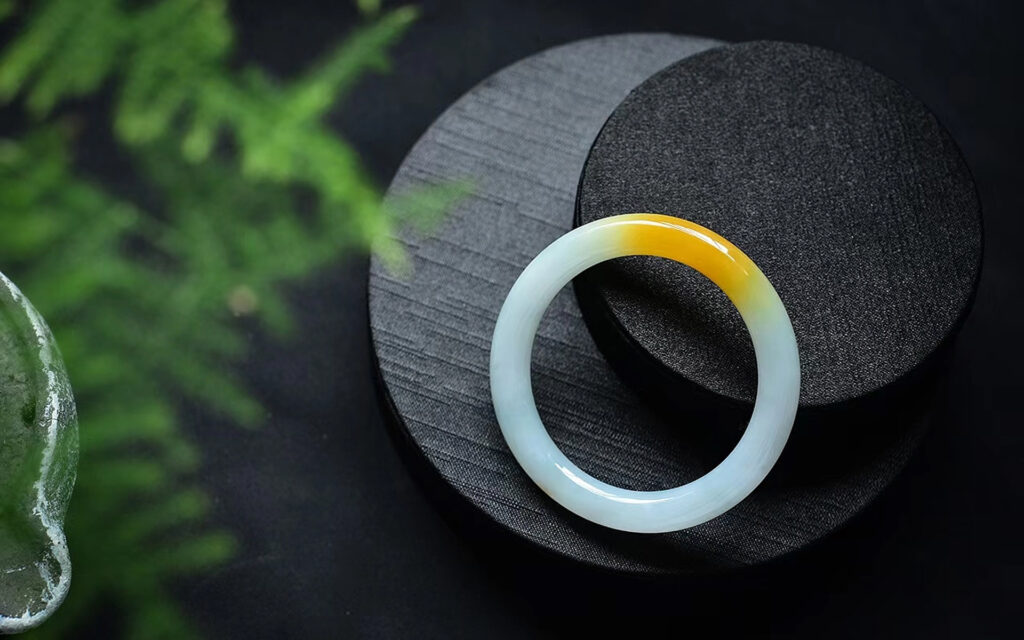
Its pure, flawless texture embodies the noble pursuit of virtue, while white itself represents a hallmark of refined taste. White jade is pure, warm, and noble, making it a dominant variety among Hetian jades. Within white jade, there are categories like mutton-fat white jade, plain white jade, and sugar-white jade, with mutton-fat jade being the most renowned.
High-quality white jade features a creamy white hue, sometimes with faint bluish or milky yellow tones, excellent oiliness, and a fine texture. Hetian white jade from Xinjiang boasts dense texture, good toughness and wear resistance, and stable chemical properties.
Among white jades, mutton-fat jade, with its body like congealed fat and an inner blue luster, is highly coveted by collectors. Its characteristics of whiteness, translucency, fineness, and smoothness make it deeply beloved, securing its unrivaled status among jades.
Hotan white jade is not only visually stunning but also exceptionally rare and precious. Its mines are situated in high mountains with harsh climates, making extraction incredibly challenging. Hotan river jade, found in rivers like the Yulung Kash River, is less difficult to mine than mountain jade but is produced in very limited quantities. Discovering a high-quality piece of Hotan river jade is no easy feat.
The most valuable colors of Hetian jade are ranked based on its quality, with white jade being the most cherished by Chinese people. Many beginners start their collection journey by learning about white jade.

II. Primary Color Varieties of Hetian Jade
Hetian jade boasts a rich spectrum of colors. Beyond the premium white hue, it includes varieties such as bluish-white, blue, yellow, black, green, and amber.
1. Blue Jade
Blue jade is often produced in large quantities, making it suitable for carving large pieces like landscape sculptures. These pieces hold significant aesthetic and artistic value. While jade quality is paramount in assessing Hotan jade’s worth, carving craftsmanship also adds value. Blue jade generally boasts excellent quality—it’s fine-grained, smooth, and lustrous, with pure color and a robust character. Ancient emperors favored it for imperial seals due to its large size and superior quality.
2. Green Jade
Green jade encompasses shades like bluish-green, dark green, ink green, and blackish-green. Xinjiang’s green jade exhibits a spinach-green hue. Green jade seeds possess rustic, steady characteristics with excellent texture and good toughness. Varieties like spinach green, cat’s eye green, and glassy green hold significant collectible value. Qinghai also produces jadeite, predominantly blue-green with a fine texture, while Russian jadeite boasts vibrant, vivid hues.
3. Black Jade
Black jade is dense, warm, and lustrous, jet-black like ink. Its formation relates to graphite influence, resulting in its black coloration. The finest black jade is pure in color, with evenly distributed black tones and a fine, delicate texture. Ancient Chinese regarded black jade alongside diamonds, precious stones, and colored stones as “precious and beautiful stones.”
4. Sugar Jade
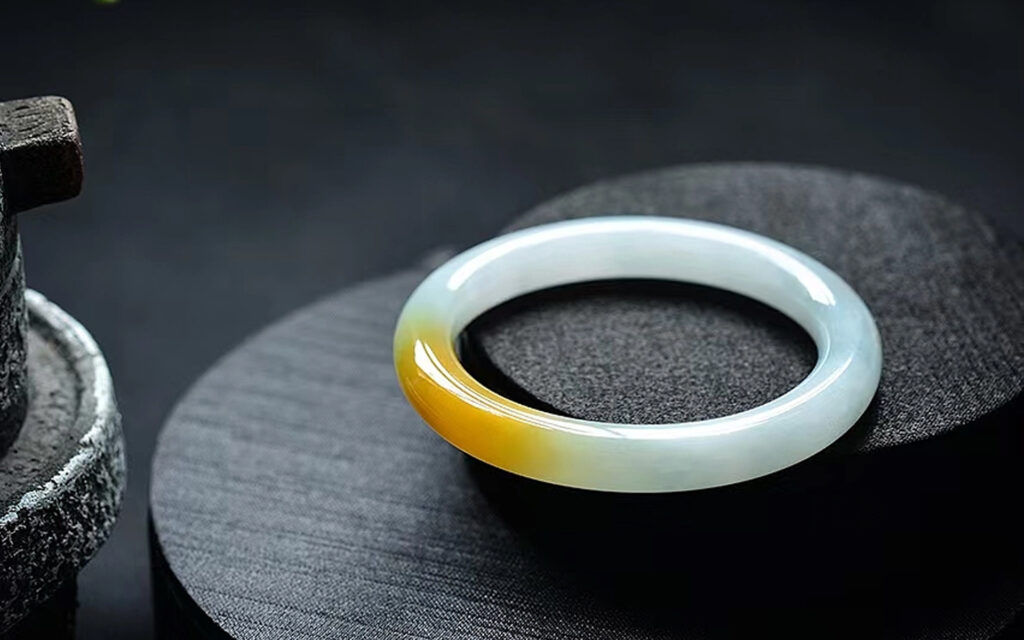
Sugar jade exhibits a color reminiscent of brown sugar. Depending on the degree of impregnation, the sugar-like hue can range from a few millimeters to several centimeters in depth. This coloring is confined to the surface layer, while the interior remains primarily white or green jade. Specific color variations include light sugar, pale sugar, deep sugar, and dark sugar. Sugar jade with pure texture, fine oiliness, and rich luster exudes an appealing charm. Such pieces hold significant collectible value, with premium specimens commanding market prices exceeding tens of thousands of yuan per kilogram.
5. Emerald Green Jade
Emerald green jade shares similarities with nephrite but possesses a distinct, vibrant emerald hue. Its fresh, vivid green resembles the youthful vitality of a young maiden, making it highly appealing. This variety stands out as a unique jade type within Hotan jade. Bracelets and bead strands crafted from emerald green jade radiate a lively aura when worn, lending a youthful appearance to the wearer.
6. Smoky Green Jade
Smoky green jade features deep or light purple hues, a unique and captivating color. Those leaning purple are called smoky purple, while those leaning gray are smoky green. Influenced by the popularity of green jade, smoky green has also gained prominence. Its delicate, warm texture and rich, creamy luster create an ethereal, misty blue-green aura that captivates collectors with its alluring charm.
7. Blue Jadeite
Blue jadeite is not the same as green jade; its color merely resembles it. Blue jadeite boasts rich hues, a fine texture, and rarity, making bracelets crafted from it quite valuable. Throughout history, imperial courts and nobility treasured it, believing it could invigorate the body, enhance beauty, and prolong life. The ancient poet Li Shangyin celebrated it in verse: “The sea moon weeps pearls, blue fields warm with jade smoke.”
What are the most valuable colors of Hetian jade in order? Among Hetian jades, mutton-fat jade has long been regarded as the most precious variety. Many also pursue “whiteness,” making white jade a highly sought-after type.
Other colored varieties are also worthy of collectors’ attention. Each type possesses unique qualities and distinct characteristics. Ultimately, preference is key. When collecting Hetian jade, one need not obsess over whiteness alone. The jade’s texture and uniqueness are equally vital, as they significantly influence its appreciation potential and future value.